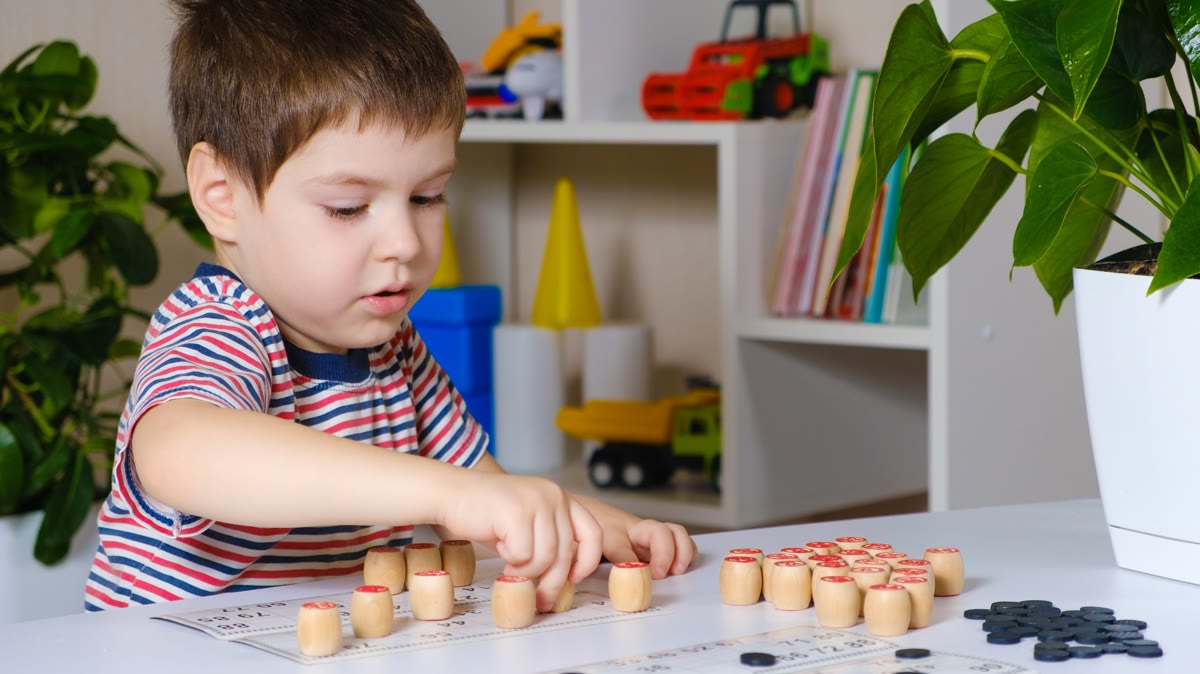
Match the accommodation to the barrier
Describe the learning target and response format before discussing an accommodation. Ask the educator which supports preserve that target, and record what help is provided. Medical or therapeutic concerns need the relevant professional rather than a support chosen from a general list.
Keep the learning target clear
An accommodation should not hide the learning target. If the target is science understanding, oral explanation may be fine. If the target is handwriting formation, then handwriting practice remains the task but should be scaled appropriately.
Document what works
A simple accommodation log helps tutors, therapists, evaluators, and future schools understand what the child needs to access learning.
FREE NEXT STEP
Special-Needs Homeschool Quick-Start Map
Choose one priority and one practical action for the next seven days without trying to solve the entire homeschool year.
Get this free planning toolPATH TO SUCCESS
Choose the level of support your family needs next
Sources for this page
These references offer background for planning. This revision has not yet received educator review. Verify requirements and individual recommendations with the relevant authority or qualified professional.
Ledger access date: 2026-08-11
Official checks before you act
Because homeschool law, special education services, and funding rules vary, verify requirements with your state education department, local district, official ESA or scholarship program, and qualified providers. Keep screenshots or PDFs of official guidance with your records.
Frequently asked questions
Can I homeschool a child with special needs?
In many places, parents can homeschool a child with special needs, but requirements vary by state and by funding program. Families should confirm state homeschool rules, keep strong records, and decide how therapies, evaluations, accommodations, and progress documentation will be handled before leaving a school placement.
Does homeschooling replace an IEP?
A homeschool plan is not the same thing as a public-school IEP. Some services may change when a child leaves public school. Parents should keep copies of the IEP, evaluations, accommodations, service logs, work samples, and progress notes so future school, provider, or funding conversations are easier.
Are homeschool accommodations allowed?
Parents generally have flexibility in home instruction, but funding programs, testing programs, or outside classes may have their own rules. Keep documentation of what the child needs and why.